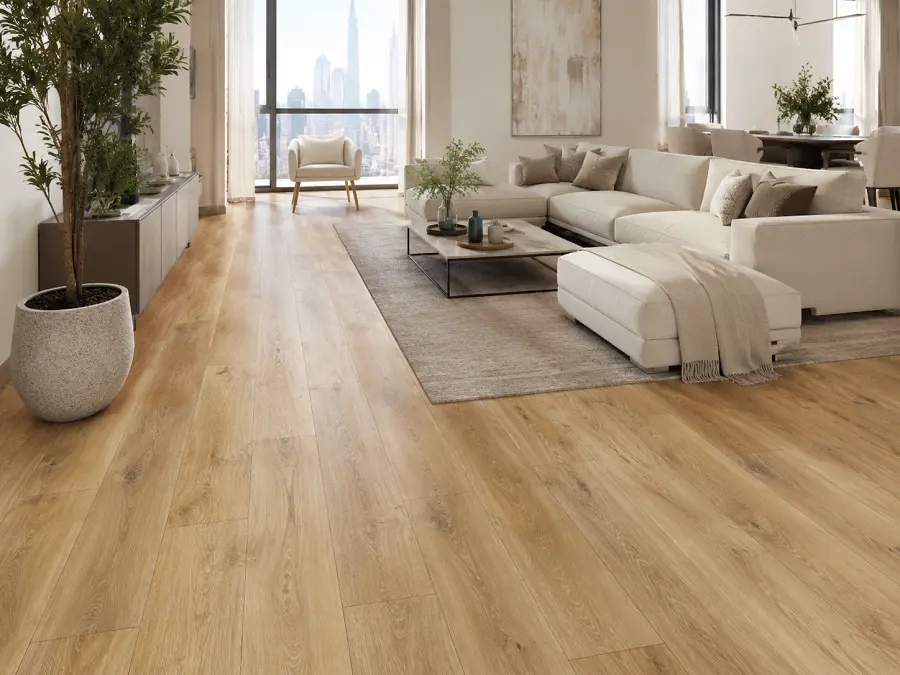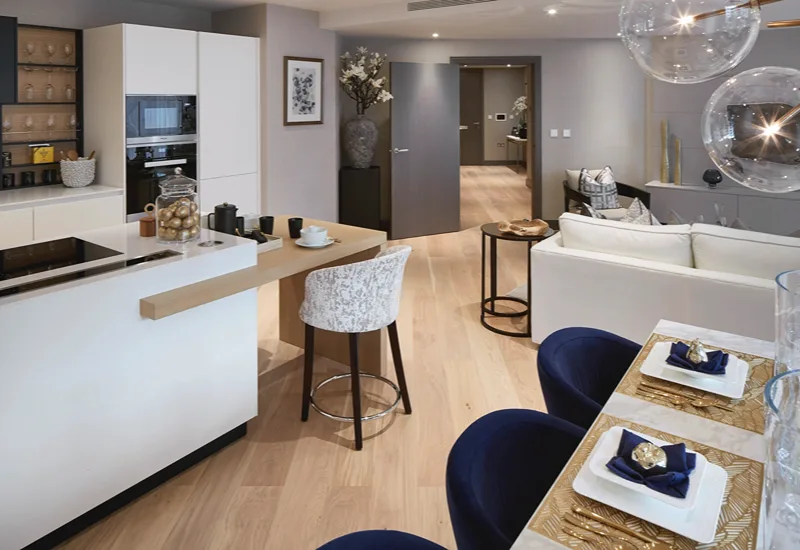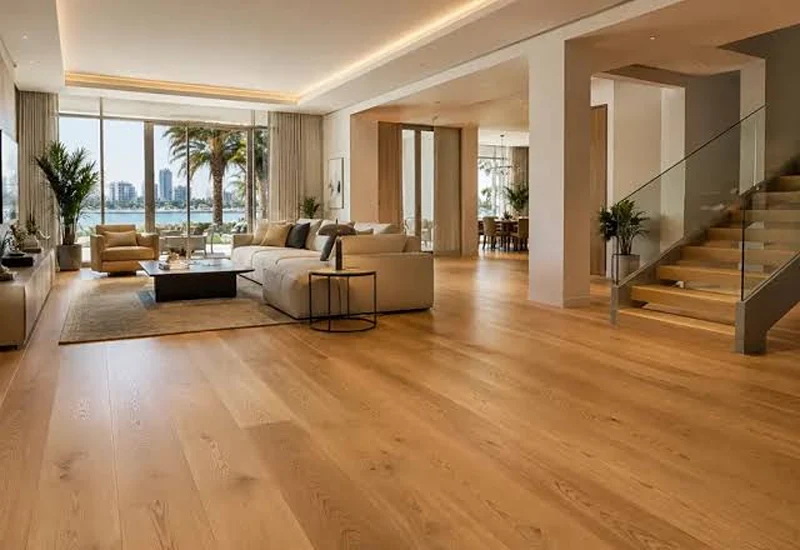
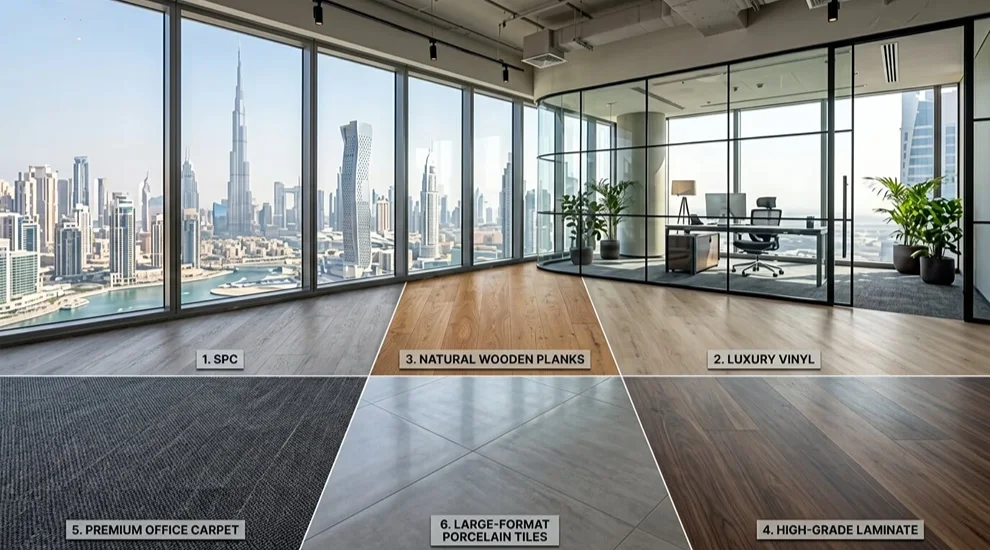
Choosing the right flooring is an important decision when designing, upgrading, or renovating a property. The floor affects the overall appearance of a space, but it also influences daily comfort, cleaning requirements, durability, and maintenance. With so many materials available, selecting the right option can become confusing.
The best flooring depends on how a room is used, how much foot traffic it receives, and what you expect from the surface. Some materials are better suited to moisture-prone areas, while others provide a softer feel or a natural decorative finish. Along with selecting the right material, professional Flooring Installation Dubai services can help ensure the flooring is fitted correctly. In this guide, we explore different flooring options, compare their features, and explain how to select the right material for your requirements.
What Should You Look for When Choosing Flooring?
Before comparing flooring materials, consider the practical requirements of your property. A floor that looks attractive in a showroom may not be the most suitable choice for your everyday needs.
1. Durability and Foot Traffic
Consider how frequently people walk across the floor. Hallways, entrances, offices, and commercial spaces generally require surfaces that can handle regular use. Bedrooms and other quieter areas may allow more flexibility in material selection.
2. Water and Moisture Resistance
Kitchens, bathrooms, laundry areas, and other moisture-prone spaces need appropriate flooring materials. Check the manufacturer’s water-resistance specifications and installation recommendations before choosing a product.
3. Cleaning and Maintenance
Think about how much time you can spend maintaining your floors. Some surfaces require regular sweeping and mopping, while others may need specialised cleaning products, sealing, or additional care.
4. Appearance and Interior Design
Flooring contributes significantly to the character of a room. Wood-effect finishes can create a warm appearance, stone-inspired surfaces offer a distinctive look, and carpets introduce texture and softness.
5. Installation and Budget
The overall project cost may include more than the flooring material itself. Underlay, subfloor preparation, adhesives, trims, labour, and installation complexity can all affect the final budget.
Top Flooring Options to Consider
Different flooring materials offer different combinations of appearance, performance, and maintenance requirements. Here are seven popular options worth considering for residential and commercial interiors.
1. Vinyl Flooring
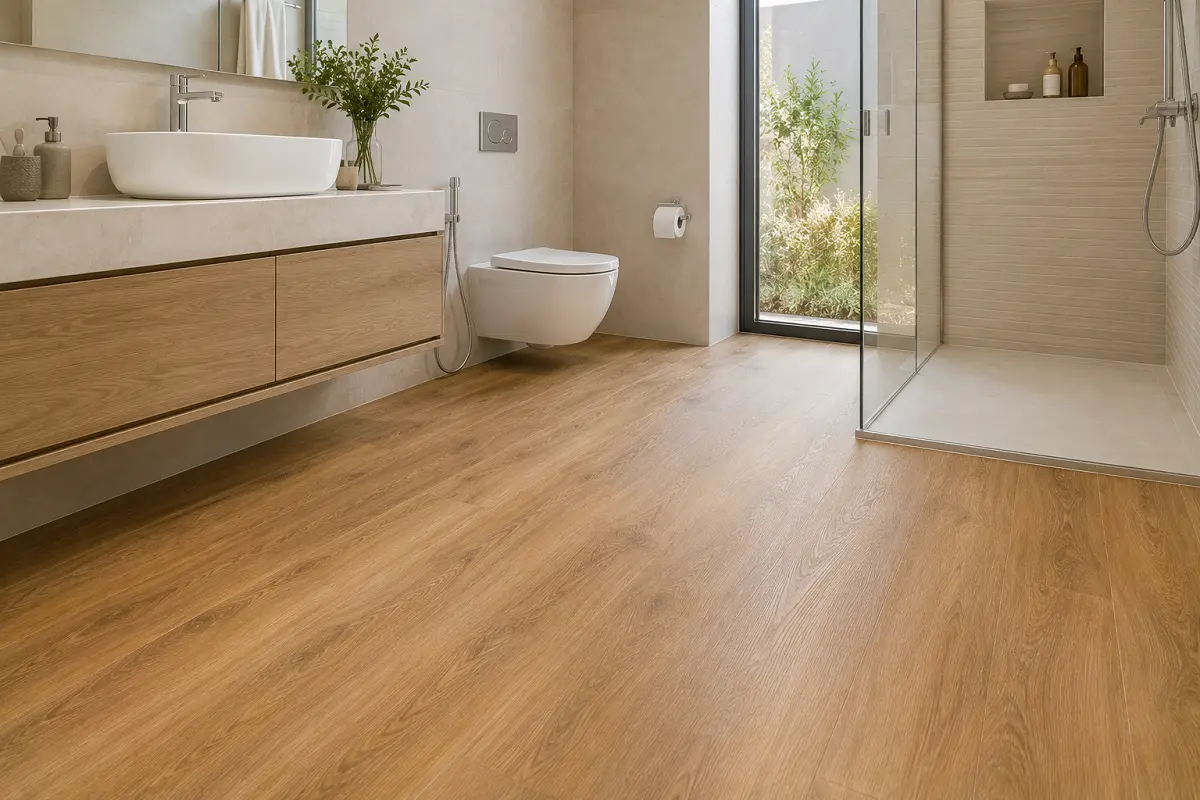
Vinyl flooring is a versatile option available in different patterns, colours, and surface finishes. It can reproduce the appearance of natural wood, stone, and other decorative materials without using those materials themselves.
Its layered construction provides a practical surface for many everyday environments. Depending on the product specification, vinyl flooring can offer water resistance and straightforward cleaning.
Key features:
- Available in wood, stone, and decorative patterns.
- Different thicknesses and surface finishes.
- Comfortable underfoot compared with many hard flooring materials.
- Easy everyday cleaning.
- Suitable options for kitchens, living rooms, and offices.
- Product-specific installation requirements.
Best suited for: Homeowners looking for versatile designs and practical flooring for everyday spaces.
 2. SPC Flooring
 2. SPC Flooring
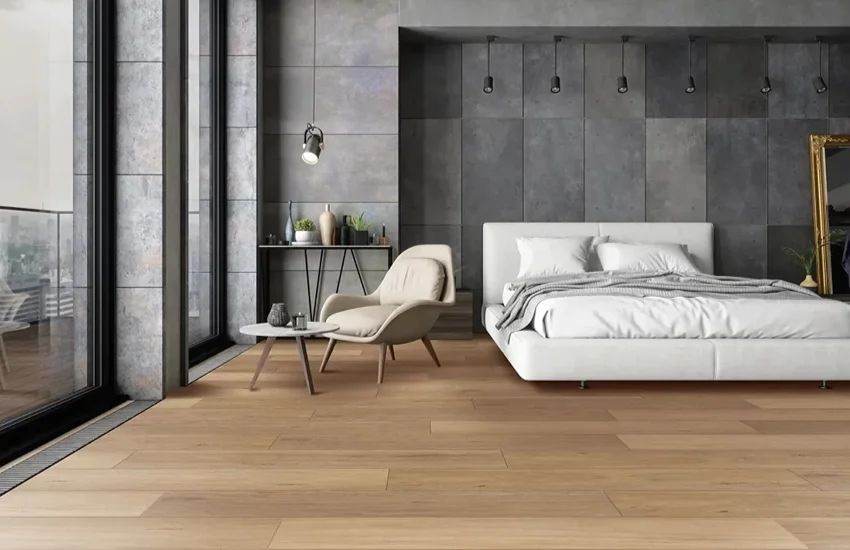
Stone Plastic Composite (SPC) flooring features a rigid core made using a combination of stone-based material and polymers. Its construction gives it a firm structure and makes it a popular choice for contemporary interiors.
SPC flooring is available in plank and tile formats, often with realistic wood or stone-inspired designs. Many products feature click-lock installation systems, although the correct method depends on the manufacturer’s instructions.
Key features:
- Rigid core construction.
- Water-resistant options.
- Wood and stone-inspired finishes.
- Click-lock installation available on selected products.
- Easy-to-clean surface.
- Suitable for various residential and commercial applications.
Best suited for: People who want a modern floor with a rigid structure and practical maintenance requirements.
3. Laminate Flooring
 3. Laminate Flooring
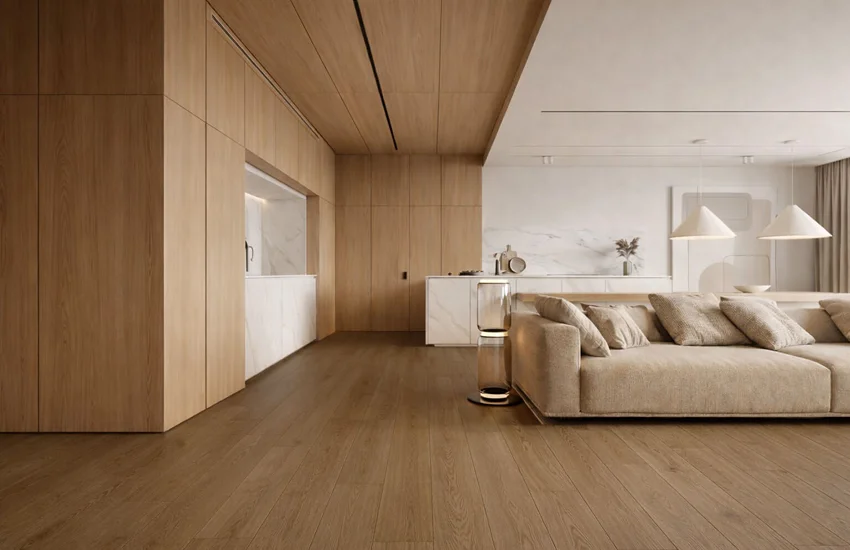
Laminate flooring is designed to reproduce the appearance of natural materials through a decorative printed layer protected by a wear surface. It is commonly available in wood-inspired patterns, including oak, walnut, and other timber designs.
Its layered construction makes it an option for rooms where homeowners want the appearance of wood without choosing solid timber flooring. However, moisture resistance varies between products, so specifications should be checked carefully.
Key features:
- Realistic wood-effect designs.
- Multiple plank sizes and surface textures.
- Protective wear layer.
- Available in different thicknesses.
- Relatively simple routine cleaning.
- Installation options include click-lock systems.
Best suited for: Bedrooms, living rooms, and other dry interior areas where a wood-inspired finish is preferred.
4. Porcelain and Ceramic Tile Flooring
 4. Porcelain and Ceramic Tile Flooring
Porcelain and ceramic tiles are hard-surface flooring materials available in a wide range of sizes, colours, and designs. They can create clean, structured interiors and are commonly selected for areas where regular cleaning is important.
Porcelain tiles generally have lower water absorption than standard ceramic tiles, although the suitability of either material depends on its rating and intended application. Surface texture is also important, particularly in areas where slip resistance is a concern.
Key features:
- Hard and durable surface.
- Wide selection of colours and patterns.
- Different matt, polished, and textured finishes.
- Easy cleaning when properly installed.
- Suitable options for kitchens and bathrooms.
- Available in various tile sizes.
Best suited for: Kitchens, bathrooms, hallways, and other spaces requiring a hard flooring surface.
5. Hardwood and Engineered Wood Flooring
 5. Hardwood and Engineered Wood Flooring
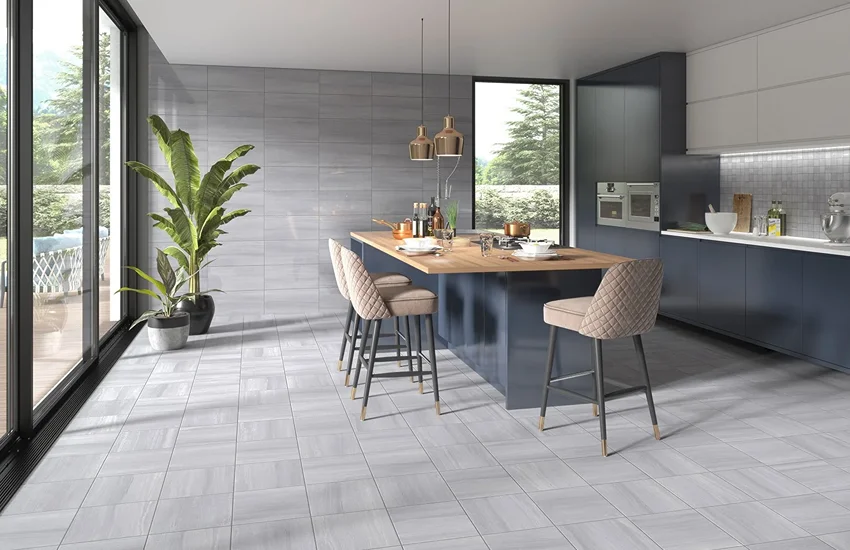
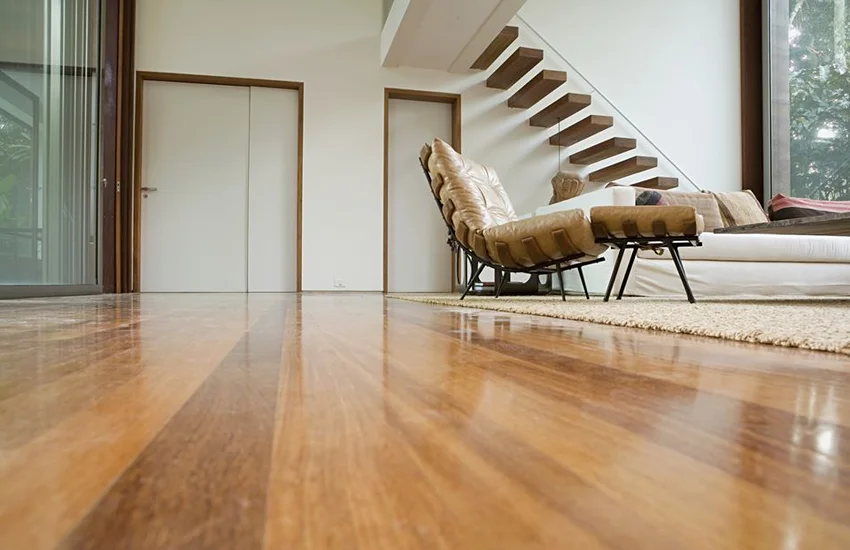
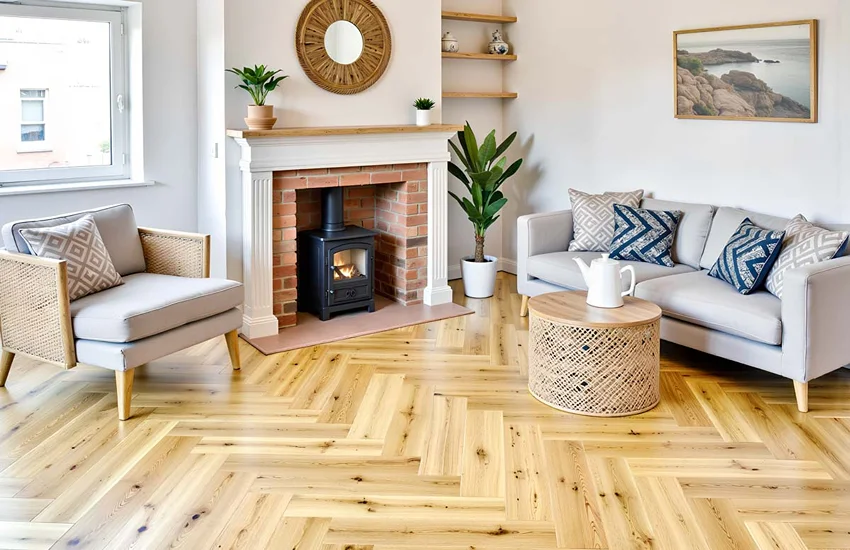
Wood flooring brings a natural appearance to interior spaces through its grain patterns, tones, and surface variations. Solid hardwood is manufactured from natural timber, while engineered wood uses a real wood surface layer supported by multiple underlying layers.
Both options can complement traditional and contemporary interiors. However, wood flooring needs suitable environmental conditions and appropriate maintenance, particularly where moisture or temperature changes are a concern.
Key features:
- Natural wood grain and texture.
- Different timber species and finishes.
- Warm and distinctive appearance.
- Engineered options with layered construction.
- Can complement various interior styles.
- Requires appropriate cleaning and moisture management.
Best suited for: Living rooms, bedrooms, and interiors where natural wood character is an important design feature.
6. Carpet Flooring
 6. Carpet Flooring
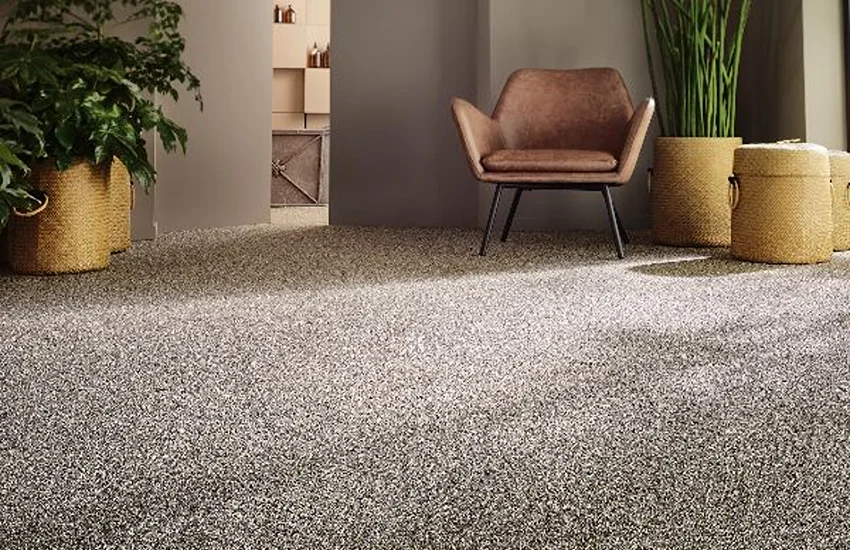
Carpet flooring provides a soft surface that can make indoor spaces feel more comfortable and welcoming. It is available in different fibres, pile heights, textures, patterns, and construction styles.
Unlike hard flooring, carpet can help absorb some everyday indoor sound and provide a softer surface underfoot. Its cleaning requirements depend on the fibre, pile construction, and amount of daily use.
Key features:
- Soft and comfortable surface.
- Wide choice of colours and patterns.
- Different pile heights and textures.
- Can help reduce indoor sound transmission.
- Available in rolls and carpet tile formats.
- Requires regular vacuuming and suitable stain care.
Best suited for: Bedrooms, hotel rooms, offices, and spaces where softness and a quieter atmosphere are preferred.
7. Natural Stone and Marble Flooring
 7. Natural Stone and Marble Flooring
Natural stone flooring offers distinctive surface patterns created by the natural formation of the material. Marble, limestone, and other stone varieties are used in interiors to create different visual effects.
Each stone has its own characteristics, including porosity, hardness, and maintenance requirements. Some surfaces need sealing and specific cleaning products to help protect their appearance.
Key features:
- Naturally occurring patterns and textures.
- Distinctive appearance.
- Different stone varieties and finishes.
- Available in multiple tile sizes.
- Can complement premium interior designs.
- Maintenance requirements vary by stone type.
Best suited for: Living areas, entrance spaces, and interiors where natural material patterns are desired.
 Flooring Comparison: Which Material Should You Choose?
 Flooring Comparison: Which Material Should You Choose?
Comparing the main characteristics of each material can make the selection process easier. The following table provides a general overview rather than a guarantee of performance for every product.
| Flooring Type | Durability | Water Resistance | Maintenance | Suitable Areas |
| Vinyl | Good | Product dependent; many options are water-resistant | Easy | Living rooms, kitchens, offices |
| SPC | Good to high | High for many products | Easy | Residential and commercial spaces |
| Laminate | Good | Varies by product | Easy | Bedrooms, living rooms |
| Porcelain/Ceramic | High | Generally high | Easy | Kitchens, bathrooms, hallways |
| Hardwood/Engineered Wood | Varies by construction | Generally moisture-sensitive | Moderate | Bedrooms, living rooms |
| Carpet | Varies by fibre and construction | Generally low | Regular cleaning | Bedrooms, offices |
| Natural Stone/Marble | Varies by stone | Depends on porosity and sealing | Moderate to high | Living rooms, entrances |
Which Flooring Is Best for Different Rooms?
A useful way to narrow down your choices is to consider the purpose of each room. Different spaces have different requirements, so one flooring material may not be suitable throughout the entire property.
Living Room
The living room is usually one of the most frequently used areas in a home. Vinyl, SPC, laminate, porcelain tiles, and engineered wood can all be considered depending on the desired appearance and maintenance needs.
For a warmer interior, wood-effect finishes are worth exploring. If you prefer a hard surface with a decorative appearance, tiles may be a better option.
Bedroom
 Bedroom
Comfort and appearance are important when selecting bedroom flooring. Carpet offers a soft surface, while laminate, vinyl, and engineered wood provide alternative finishes that can be paired with rugs.
Your choice should also consider cleaning preferences and the overall bedroom design.
 Kitchen
 Kitchen
 flooring should be easy to clean and appropriate for regular spills and moisture exposure. Porcelain tiles, ceramic tiles, and suitable vinyl or SPC products are common options.
Pay attention to slip resistance, water-resistance specifications, and the installation details around cabinets and appliances.
 Bathroom
 Bathroom
s require flooring specifically suitable for wet environments. Porcelain and ceramic tiles are common choices because of their water-resistant properties.
The surface finish is especially important. Choose a suitable slip-resistant product rather than selecting tiles based on appearance alone.
 Home Office
 Home Office
A home office may benefit from flooring that supports furniture movement and regular foot traffic. Vinyl, SPC, laminate, and carpet tiles are options to consider.
If the room contains a rolling office chair, check whether the flooring requires a protective mat.
 Commercial Spaces
 Commercial Spaces
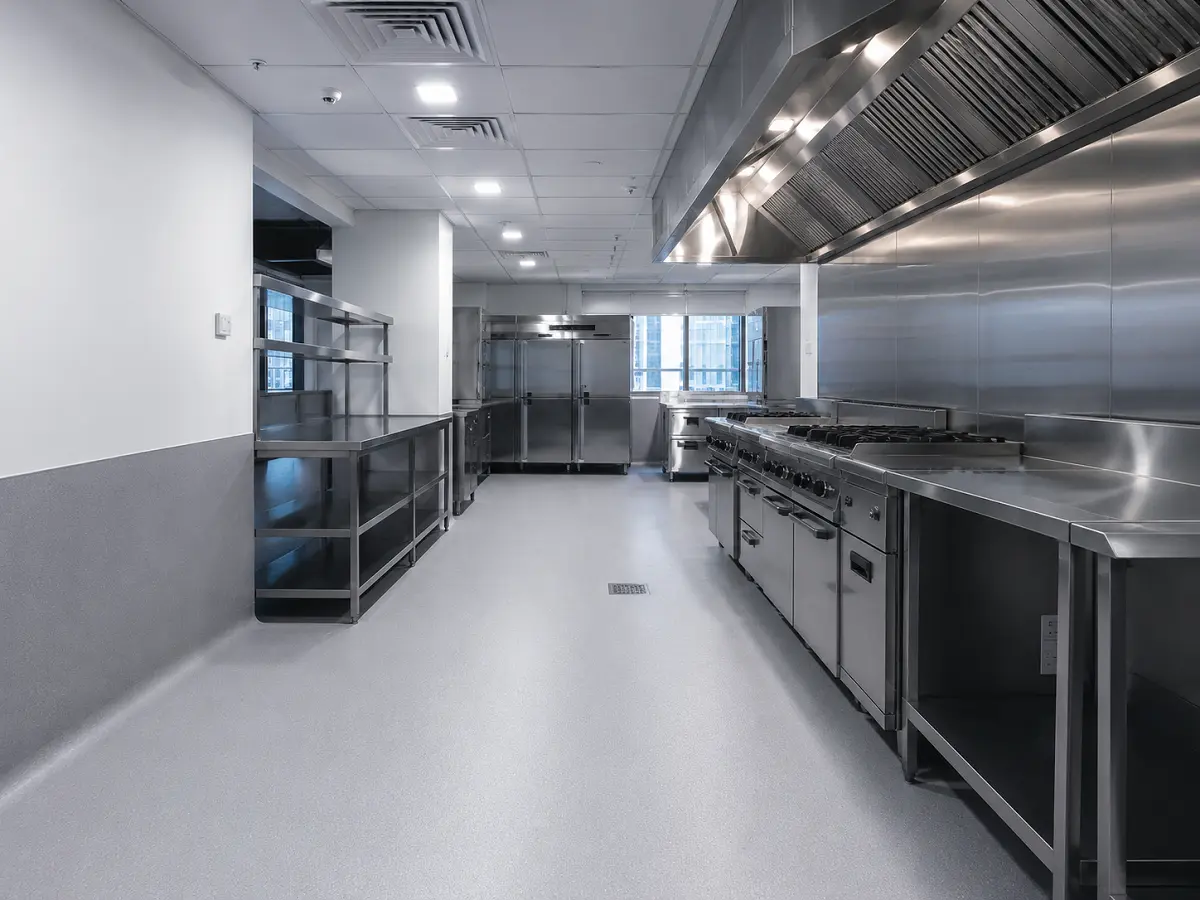
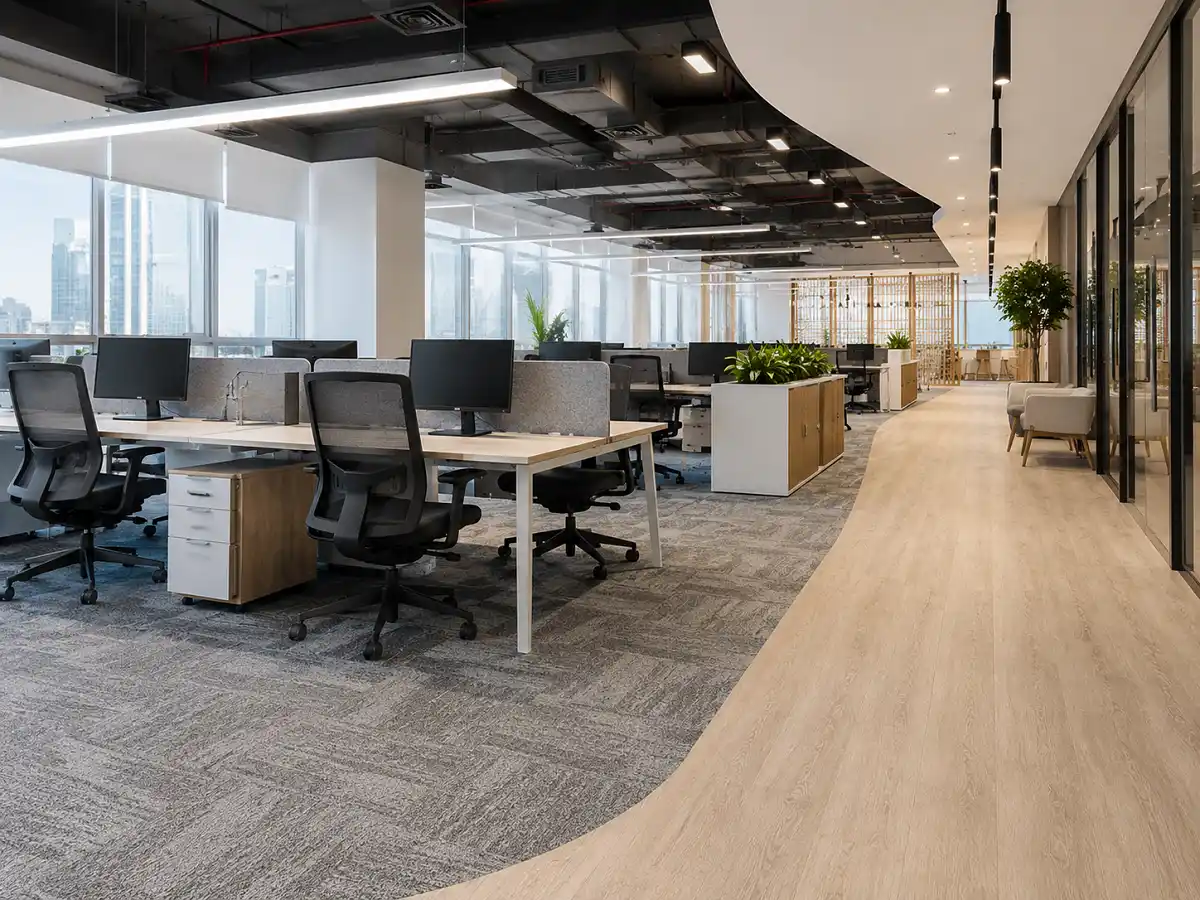
Offices, reception areas, retail spaces, and hospitality environments often experience more frequent foot traffic than residential rooms. SPC, commercial vinyl, porcelain tiles, and commercial carpet tiles may be suitable depending on the application.
Consider cleaning frequency, furniture movement, expected traffic, and the manufacturer’s commercial-use rating.
Best Flooring Choices Based on Your Priorities
 Best Flooring Choices Based on Your Priorities
If you are still unsure which material to select, start with your most important requirement.
| Your Priority | Flooring Options to Consider |
| Easy daily cleaning | Vinyl, SPC, porcelain tiles |
| Moisture resistance | Suitable SPC, vinyl, porcelain tiles |
| Natural wood appearance | Hardwood, engineered wood, laminate, wood-effect vinyl |
| Softness and comfort | Carpet |
| Distinctive natural patterns | Marble and natural stone |
| Busy commercial areas | Commercial vinyl, SPC, porcelain tiles, carpet tiles |
| Variety of decorative designs | Vinyl, laminate, ceramic tiles |
Remember that product specifications and installation quality can affect the final result. Always check the manufacturer’s recommendations before making a purchase.
Common Flooring Mistakes to Avoid
Even a good-quality flooring material may not deliver the expected results if it is selected or installed incorrectly. Avoid these common mistakes when planning your flooring project.
- Choosing Only by Appearance
A beautiful design may not be suitable for the room’s daily requirements. Consider maintenance, foot traffic, and moisture exposure alongside appearance.
- Ignoring the Subfloor
An uneven, damp, or damaged subfloor can affect the finished installation. Check the existing surface and complete the necessary preparation before fitting new flooring.
- Overlooking Product Specifications
Not all vinyl, laminate, SPC, or tile products have identical features. Compare thickness, wear ratings, water-resistance information, and intended applications.
- Selecting Unsuitable Flooring for Wet Areas
Some materials are not designed for continuous moisture exposure. Choose products specifically approved for the intended environment.
- Forgetting Installation Costs
The final project budget may include underlay, adhesives, levelling compounds, skirting, transitions, and labour. Consider these expenses before choosing a material.
- Neglecting Maintenance Requirements
Every flooring material needs appropriate care. Understand its cleaning instructions and maintenance needs before installation.
How to Choose the Right Flooring for Your Property
Follow these practical steps to make a more informed decision.
- Identify the purpose: Decide whether the flooring is for a bedroom, living room, kitchen, bathroom, office, or commercial area.
- Measure the space: Calculate the required floor area and consider additional material for cutting and installation waste.
- Inspect the existing floor: Check the subfloor for unevenness, moisture, cracks, or other issues that may need attention.
- Set your budget: Include the material, installation, preparation, and finishing accessories.
- Compare suitable materials: Shortlist products based on durability, maintenance, moisture resistance, and appearance.
- Review samples: Check the actual colour, texture, and finish under the lighting conditions of your property.
- Confirm installation requirements: Follow the manufacturer’s guidance and use an appropriate installation method.
Taking these steps can help prevent unsuitable purchases and make the flooring project easier to manage.
 Conclusion: What Is the Best Flooring to Choose?
 Conclusion: What Is the Best Flooring to Choose?
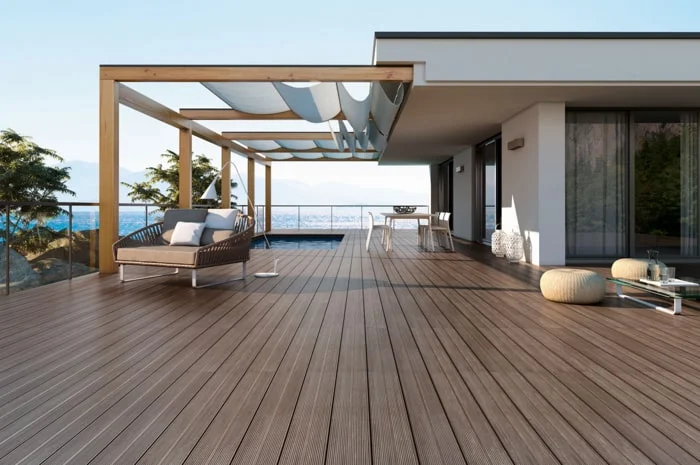
The best flooring is the one that matches your property’s practical requirements, interior design, and maintenance expectations. SPC and vinyl are worth considering for versatile everyday applications, while porcelain tiles offer a hard surface for kitchens and bathrooms. Laminate and engineered wood provide wood-inspired or natural finishes, whereas carpet is a suitable choice when softness and comfort are priorities.
Before making your final decision, compare the product specifications, inspect samples, and consider the conditions of the installation area. Choosing flooring based on its intended use rather than appearance alone can help you achieve a more practical and attractive interior.