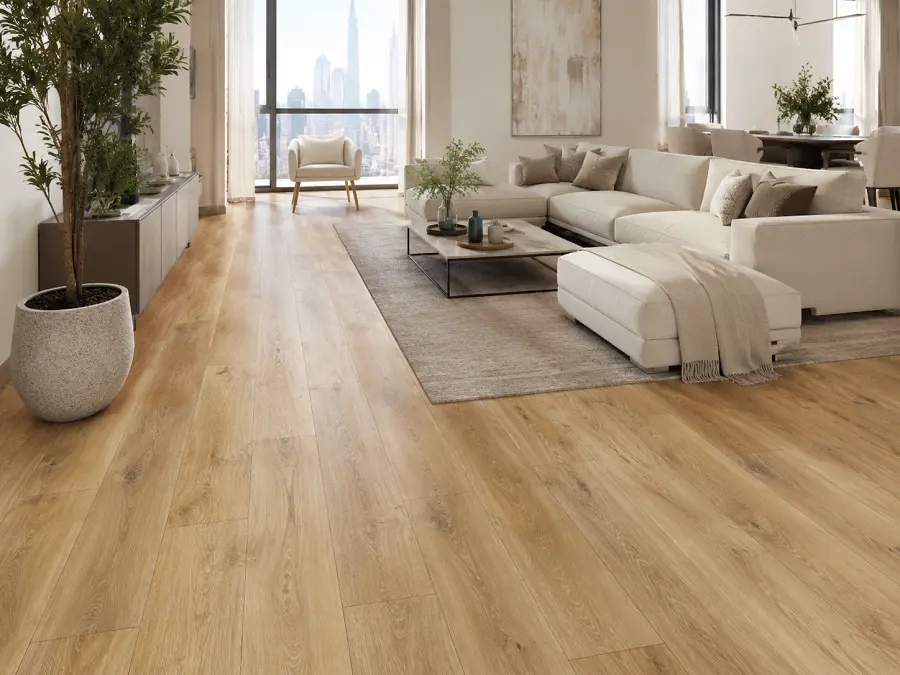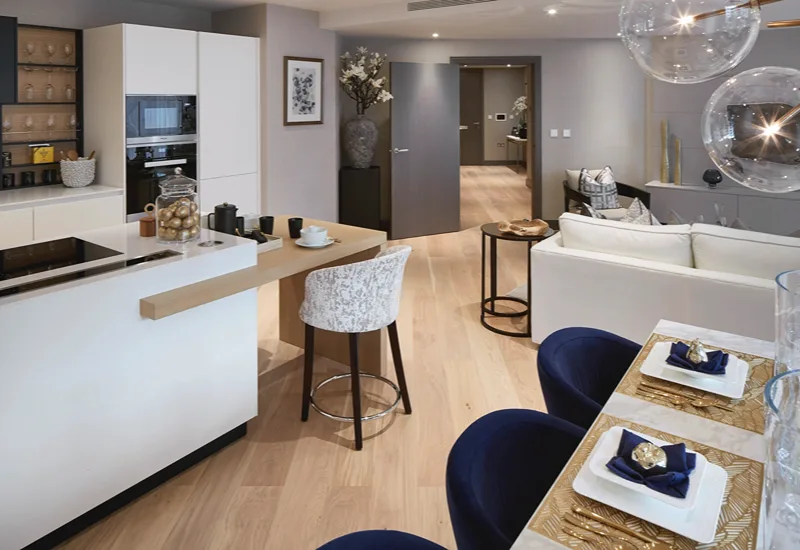
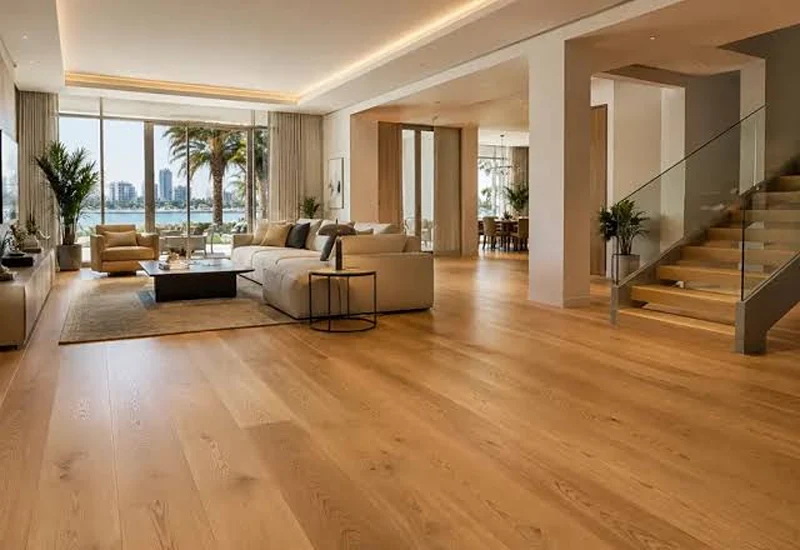
Choosing durable flooring is essential for maintaining a comfortable and functional home. Floors experience daily foot traffic, furniture movement, accidental spills, scratches, and general wear, making material selection an important decision. Whether you are renovating a living room, upgrading a kitchen, or designing a new property, the right flooring should offer durability, easy maintenance, and an attractive appearance.
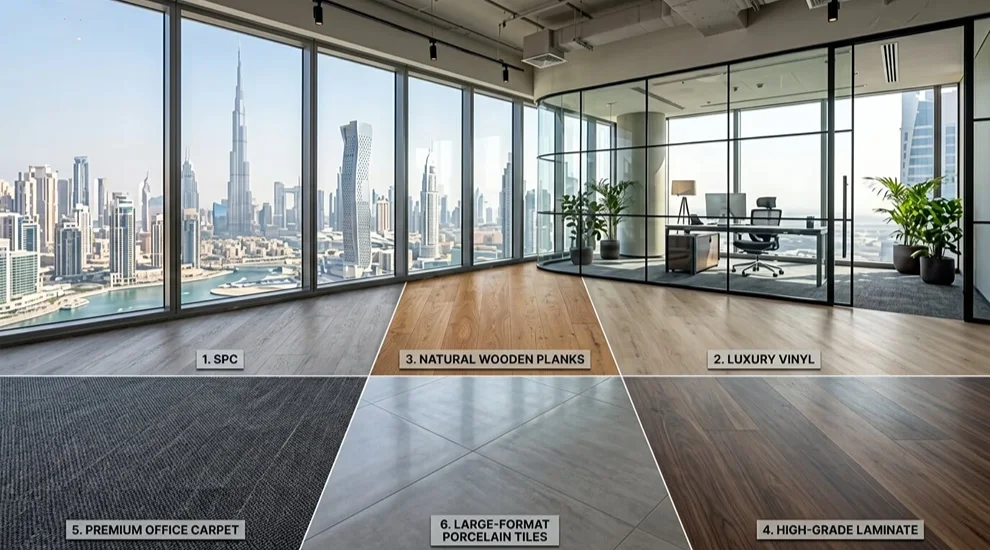
Several flooring materials are suitable for busy households, but their performance varies depending on construction, installation, and maintenance. Porcelain tiles, SPC vinyl, laminate, natural stone, engineered wood, and epoxy flooring are six options worth considering. Understanding their features, advantages, and limitations will help you choose a flooring solution that meets your household requirements. For expert guidance on selecting and installing the right material, consult a reliable Flooring Company in Dubai.
What Makes Flooring Durable for High-Traffic Areas?
Flooring durability refers to how well a material maintains its appearance and functionality under regular use. Different materials offer different levels of protection against scratches, moisture, impacts, and surface wear. Before selecting flooring for busy areas, consider the following characteristics:
- Wear Resistance: Durable flooring should withstand regular walking, friction, and everyday activities without showing excessive signs of wear.
- Scratch Resistance: A protective surface helps minimise scratches caused by furniture, footwear, pets, and other household activities.
- Impact Resistance: Strong flooring materials can handle everyday impacts, including dropped household objects and furniture movement.
- Moisture Resistance: Flooring should suit the moisture conditions of the installation area, particularly kitchens and other spill-prone spaces.
- Easy Maintenance: Materials that require simple cleaning routines are practical for busy households.
- Long-Term Performance: Quality construction, proper installation, and regular maintenance contribute to flooring longevity.
6 Most Durable Flooring Options for Homes
Different flooring materials are designed to meet specific residential requirements. Some offer excellent surface hardness, while others provide flexibility, comfort, or moisture resistance.
1. Porcelain Tile Flooring
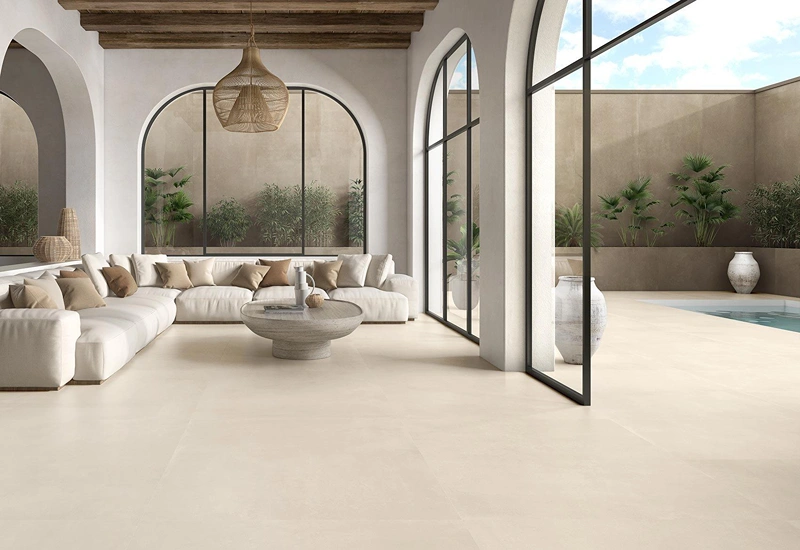
Porcelain tile flooring is one of the most durable options for residential properties. It is manufactured using refined clay and other minerals fired at high temperatures, creating a dense and hard surface. Its low water absorption, resistance to everyday wear, and wide range of designs make it suitable for frequently used areas.
Key Features and Benefits:
- High Durability: Dense construction helps porcelain tiles withstand regular foot traffic.
- Scratch Resistance: Hard surfaces offer good resistance to everyday scratches and abrasion.
- Low Water Absorption: Porcelain generally absorbs very little moisture, making it suitable for kitchens and bathrooms.
- Design Variety: Available in marble, stone, concrete, and wood-effect finishes.
- Easy Cleaning: Regular sweeping and mopping help maintain its appearance.
- Versatile Applications: Suitable for hallways, living rooms, kitchens, bathrooms, and entrance areas.
Porcelain flooring is particularly suitable for households that need a hard-wearing surface with minimal maintenance. However, its hardness can make it less comfortable underfoot, and polished finishes may become slippery when wet. Selecting an appropriate surface texture is important for safety.
 2. Luxury Vinyl Flooring (SPC and LVT)
 2. Luxury Vinyl Flooring (SPC and LVT)
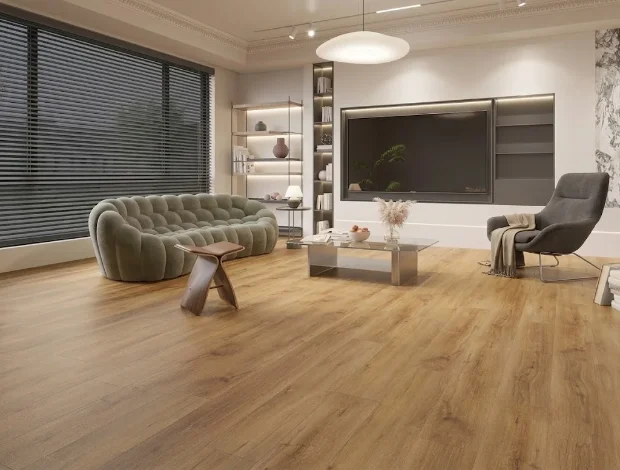
Luxury vinyl flooring is a practical choice for homeowners looking for durability, comfort, and attractive designs. It is available in different formats, including Stone Plastic Composite (SPC) and Luxury Vinyl Tile (LVT). These products replicate natural wood and stone while offering convenient maintenance and different levels of moisture protection.
Popular Types of Luxury Vinyl Flooring:
- SPC Flooring: Features a rigid composite core that provides dimensional stability and a firm walking surface.
- LVT Flooring: Offers decorative vinyl tiles or planks with realistic wood and stone-inspired appearances.
Key Features and Benefits:
- Wear Layer Protection: A protective top layer helps resist everyday scratches and surface wear.
- Water Resistance: Many vinyl products offer water-resistant or waterproof construction, depending on their specifications.
- Comfortable Surface: Provides a softer feel underfoot compared with many hard-surface flooring materials.
- Design Flexibility: Available in different colours, textures, plank sizes, and patterns.
- Easy Maintenance: Regular sweeping and damp cleaning help keep the floor in good condition.
- Versatile Installation: Suitable for bedrooms, living rooms, offices, and selected kitchen areas.
SPC vinyl is particularly useful in busy households because of its rigid construction and practical surface protection. However, the quality of the wear layer, subfloor preparation, and installation method all influence its long-term performance.
3. Laminate Flooring
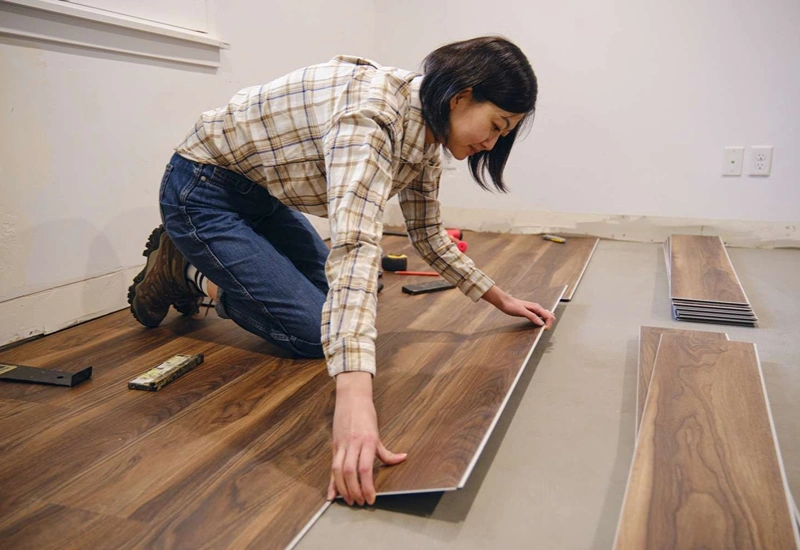
Laminate flooring is a popular option for homeowners who want the appearance of natural wood without choosing solid timber. It features multiple layers, including a protective wear layer, decorative design layer, core board, and backing layer. This construction provides a practical surface for everyday residential activities.
Key Features and Benefits:
- Protective Wear Layer: Helps resist scratches, stains, and everyday surface abrasion.
- Durable Construction: Quality laminate products can handle regular household foot traffic.
- Wood-Look Designs: Available in oak, walnut, grey, and other decorative finishes.
- Click-Lock Installation: Many products feature installation systems that connect individual planks.
- Low Maintenance: Regular vacuuming and suitable cleaning methods help maintain the surface.
- Cost-Effective Choice: Offers different design options across various price ranges.
Laminate flooring works well in bedrooms, living rooms, and hallways where a wood-inspired appearance is preferred. However, standard laminate is not fully waterproof, and prolonged moisture exposure can damage its core. Water-resistant varieties should be considered when additional moisture protection is needed.
4. Natural Stone Flooring
 4. Natural Stone Flooring
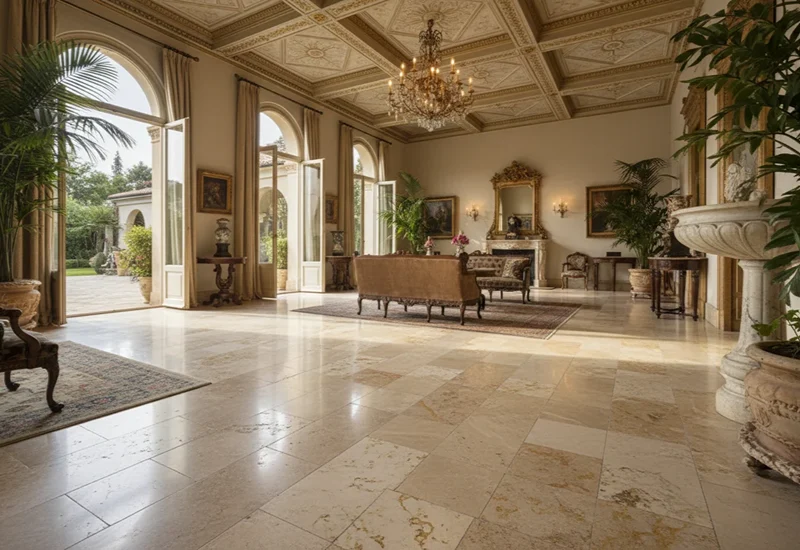
Natural stone flooring is known for its distinctive appearance, solid construction, and long-term performance. It is available in different materials, including granite, marble, and slate, each offering unique patterns, textures, and physical characteristics. When properly selected and maintained, natural stone can provide a durable flooring surface for residential properties.
Popular Types of Natural Stone Flooring:
- Granite: A hard natural stone known for its strength and resistance to everyday wear.
- Marble: Features natural veining and elegant patterns for sophisticated interiors.
- Slate: Offers a textured surface with distinctive natural colour variations.
Key Features and Benefits:
- Natural Strength: Many stone varieties offer excellent durability for residential applications.
- Unique Appearance: Each stone surface features natural patterns and variations.
- Long-Term Use: Proper installation and maintenance can support a long service life.
- Different Finishes: Available in polished, honed, brushed, and textured finishes.
- Versatile Applications: Suitable for entrances, hallways, living rooms, and selected outdoor areas.
Granite is generally a strong choice for busy areas because of its hardness. Marble and other natural stones may require sealing and more careful cleaning to protect against stains and surface damage. The specific stone type and finish should be selected according to the intended application.
5. Engineered Wood Flooring
 5. Engineered Wood Flooring
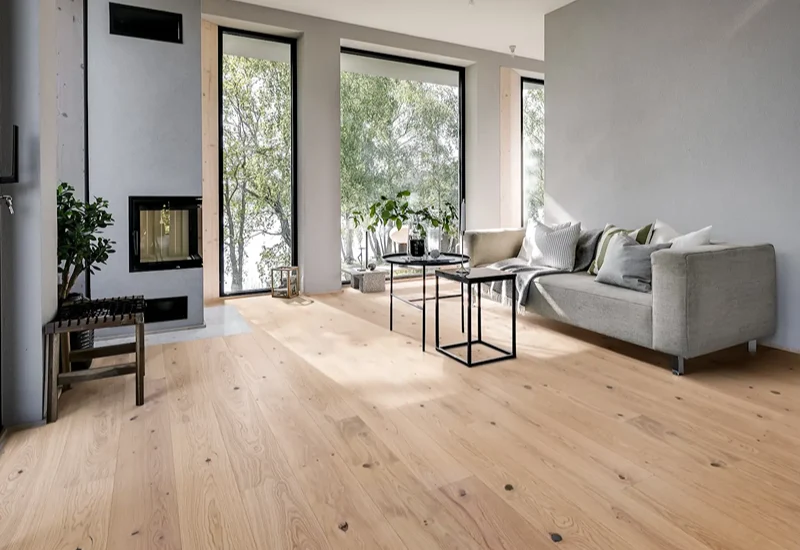
Engineered wood flooring combines the natural appearance of real timber with a multi-layer construction. It typically features a genuine wood veneer on top of several supporting layers, which are designed to improve dimensional stability. This makes it an alternative to solid wood for homeowners who prefer natural wood flooring.
Key Features and Benefits:
- Layered Construction: Multiple layers provide dimensional stability.
- Natural Wood Surface: Maintains the authentic grain and texture of real timber.
- Design Variety: Available in different wood species, shades, and finishes.
- Suitable for Residential Areas: Commonly installed in living rooms, bedrooms, and selected hallways.
- Refinishing Potential: Some products can be refinished depending on the thickness of their top wood layer.
- Interior Appeal: Complements contemporary, classic, and luxury home designs.
Engineered wood can be a suitable option for busy households when a quality product with an appropriate protective finish is selected. However, its scratch resistance depends on the wood species and surface coating. It also requires protection from standing water and excessive humidity.
6. Epoxy Flooring
 6. Epoxy Flooring
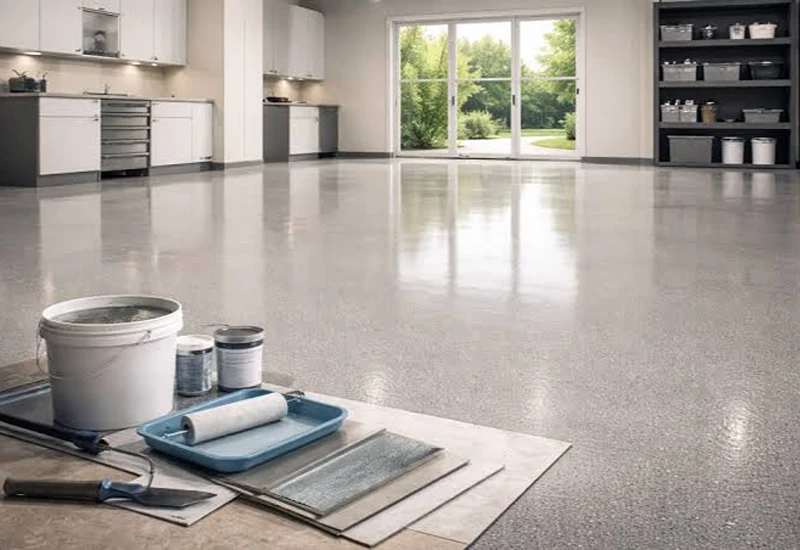
Epoxy flooring is a resin-based surface applied over properly prepared concrete. It creates a seamless coating that can withstand demanding usage when the correct system is selected and professionally installed. Although commonly associated with industrial and commercial properties, epoxy is also suitable for residential garages, workshops, and selected utility areas.
Key Features and Benefits:
- Durable Surface: Suitable epoxy systems can withstand regular wear and demanding usage.
- Seamless Finish: Creates a continuous surface with minimal joints.
- Stain Resistance: Helps protect the underlying concrete against various household and automotive spills.
- Easy Cleaning: Smooth surfaces are generally straightforward to maintain.
- Customisable Appearance: Available in solid colours, decorative flakes, and metallic finishes.
- Chemical Resistance: Selected epoxy systems can resist certain chemicals and substances.
Epoxy flooring is particularly useful for home garages and utility spaces where durability and convenient cleaning are important. However, it requires proper concrete preparation and curing. Some finishes can also become slippery when wet, so suitable anti-slip additives or textures may be necessary.
Comparison of 6 Durable Flooring Options
 Comparison of 6 Durable Flooring Options
Choosing between different flooring materials becomes easier when comparing their main characteristics. The following table highlights the general performance and suitable applications of six popular options.
| Flooring Type | Durability | Scratch Resistance | Maintenance | Suitable Areas |
| Porcelain Tiles | High | High | Low | Kitchens, hallways, living rooms |
| SPC Vinyl | High | Good | Low | Bedrooms, living rooms |
| Laminate | Moderate to High | Good | Low | Bedrooms, living rooms |
| Natural Stone | High | Varies by stone | Moderate | Entrances, living rooms |
| Engineered Wood | Moderate to High | Varies by finish | Moderate | Bedrooms, living rooms |
| Epoxy | High | Good | Low | Garages, utility rooms |
Note: Actual performance varies according to product quality, construction, surface finish, installation, and maintenance.
Which Flooring Is Best for High-Traffic Areas in a Home?
Different rooms experience different levels of activity, so flooring should be selected according to their intended use. A material that works well in a bedroom may not be the best option for a kitchen or entrance.
Living Rooms
Living rooms are frequently used for family activities, entertaining guests, and everyday relaxation. Porcelain tiles, SPC vinyl, and natural stone are suitable choices depending on the desired appearance and maintenance requirements. These materials offer different combinations of durability, design flexibility, and cleaning convenience.
Hallways and Entrances
 Hallways and Entrances
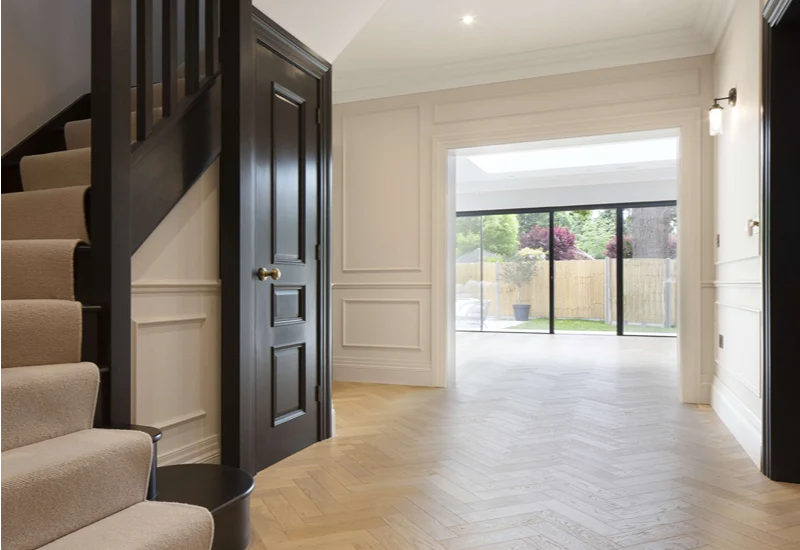
Hallways and entrances experience frequent foot traffic, dirt, and footwear friction. Porcelain tiles and granite are practical options because of their hard surfaces and durability. Textured finishes can also provide better grip in areas where moisture may be present.
Kitchens
 Kitchens
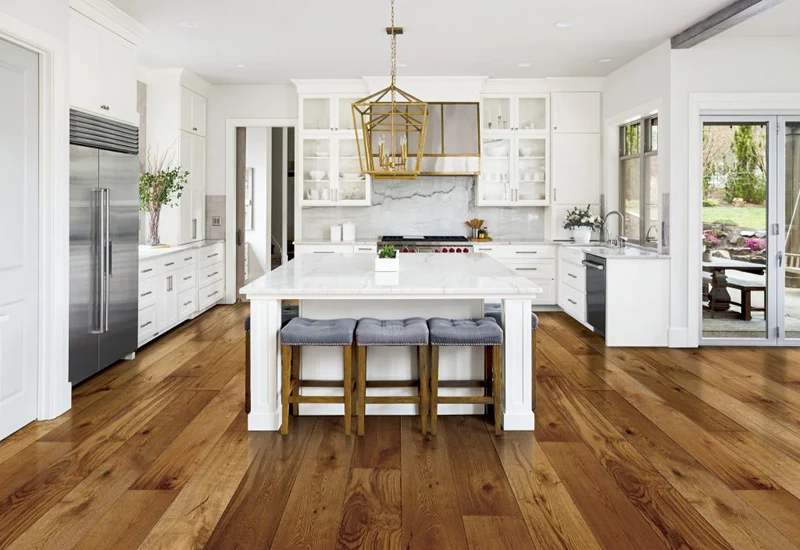
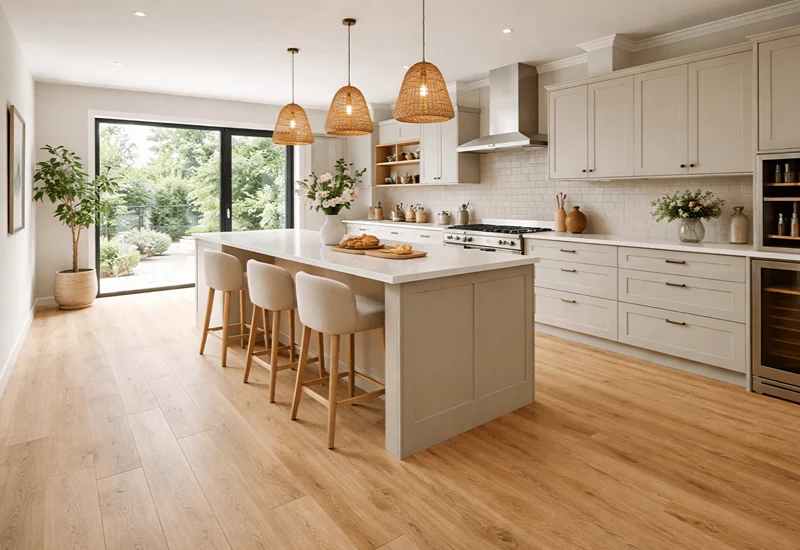
Kitchen flooring needs to handle spills, regular cleaning, and daily movement. Porcelain tiles and suitable waterproof vinyl products are popular options. Their moisture-resistant properties and convenient maintenance make them useful for busy household kitchens.
Bedrooms
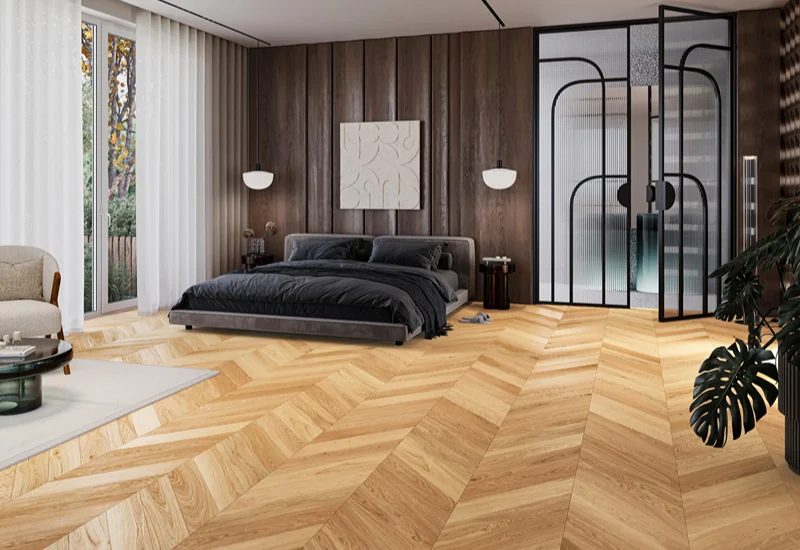
 Bedrooms
 generally experience less foot traffic than entrances and living rooms. Laminate, engineered wood, and luxury vinyl can provide attractive and practical surfaces. These materials are available in different wood-inspired designs that complement various bedroom interiors.
Home Garages
 Home Garages
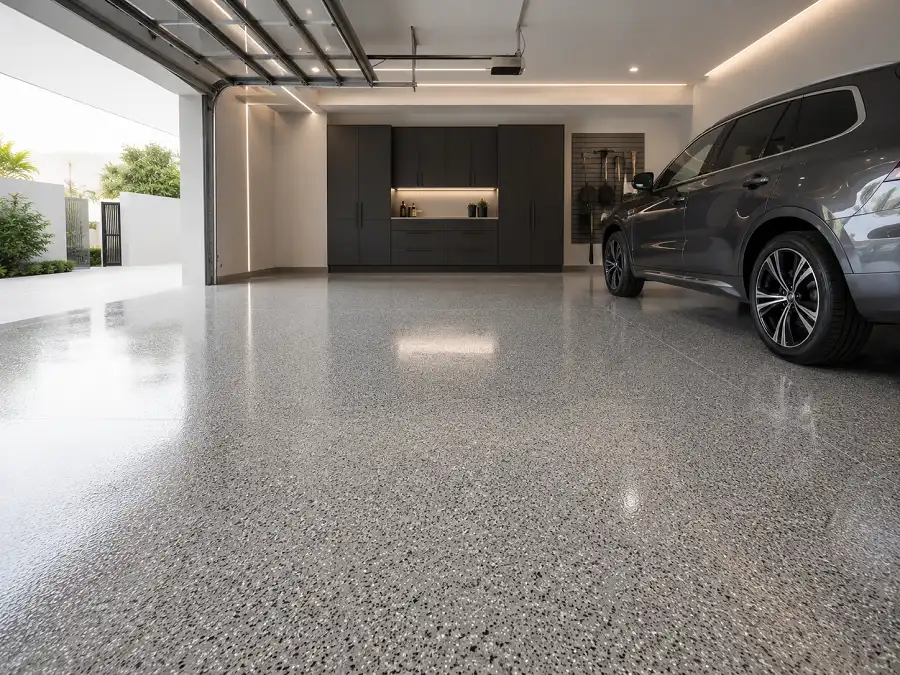
Garages require flooring that can handle vehicle movement, heavy equipment, tyre marks, and occasional oil spills. Properly specified epoxy flooring is a popular solution because it creates a seamless and easy-to-clean surface. Heavy-duty concrete coatings and suitable garage tiles are other alternatives.
 Conclusion
 Conclusion
The most durable flooring for a home depends on the room’s purpose, expected foot traffic, and maintenance requirements. Porcelain tiles and natural stone are excellent options for many busy areas, while SPC vinyl and laminate provide practical alternatives with attractive designs. Engineered wood is suitable for homeowners who prefer natural timber, whereas epoxy is particularly useful for garages and utility spaces.
Before making your final choice, compare durability, scratch resistance, moisture protection, installation requirements, and long-term maintenance. Selecting the right material and following proper care practices will help keep your home flooring functional and attractive for years.